Are Mini Splits Loud? A Guide to Quiet Mini Splits
A quiet mini split can suit bedrooms and workspaces, but sound depends on the unit, setting, and installation. Compare noise figures for the same mode and check that the system fits your room.
On this page (7 sections)
A quiet mini split can work well in a bedroom, office, or living area, but no ductless system is silent. Compare noise figures for similar modes, then consider where the indoor and outdoor units will sit and how the system will be installed.
The indoor head moves air through a fan, so the sound can change with fan speed and operating mode. The outdoor unit has a fan and compressor; its position can affect whether that sound reaches windows, patios, or neighboring homes.
Are mini splits loud inside the room?
Indoor mini splits are often quiet, but you can still hear airflow and the fan. Faster fan speeds may be more noticeable, especially when the unit is close to where you sleep or work.
A noise figure helps only when you know what it describes. A number for silent or sleep mode won't tell you how loud the unit is at every fan speed, during a heating cycle, or outdoors.
Placement matters as much as the number. A unit mounted above a bed or desk may draw your attention because you're close to its airflow and moving parts.
Use the installation manual to guide placement, and discuss the room layout with a qualified installer.
For a simple explanation of the indoor and outdoor sections, see our ductless mini split buyer's guide.
What affects a quiet mini split's sound?
Fan speed, operating mode, location, and installation affect what you hear. A lower fan setting can make airflow less noticeable, while an uneven mount or vibration can add sounds that aren't captured by a published noise figure.
Room shape and surfaces influence how sound carries. A unit facing a nearby wall or placed above a quiet seating area can seem more prominent than the same unit in a larger, busier room.
Keep the indoor unit's air path clear and follow its care instructions. Ask the installer to check that the mount is secure and to consider sound paths to bedrooms and neighboring properties when choosing equipment locations.
Is a low-noise setting enough for a quiet mini split?
A sleep or silent setting can reduce sound, but its behavior depends on the model. Check the manual to see whether the setting changes fan speed, airflow, or other operation.
Compare like with like: an indoor silent-mode figure is not directly comparable to a general operating figure or an outdoor-unit number. Make a short list of the mode you expect to use at night and the sound information available for that mode.
Are mini split outdoor units loud?
The outdoor unit can be noticeable because it contains a fan and compressor. Its position matters when sound could reach a bedroom window, patio, or nearby property.
Choose a location that meets the installation instructions and local requirements. Have the installer consider walls and other nearby surfaces that may reflect sound, along with clearance and service access.
The outdoor unit is part of a system, so noise isn't the only setup question. Our guide to how a mini split works explains how the indoor and outdoor sections operate together.
How should you choose a quiet mini split?
Start with the noise figure for the mode you plan to use, then check room fit, controls, power, and installation. A low number by itself won't tell you whether a system suits your room or your preferred setup.
These four 12,000 BTU options each give a different reason to make the shortlist. Their noise figures are reported under different conditions, so compare features and fit as well as sound.
Which quiet mini split has the lowest stated figure?
MRCOOL reports 17.5 dB(A) in silent mode, giving bedroom shoppers a specific low-noise setting to consider. Its single-zone system is designed for rooms up to 550 square feet and runs on 115V power.
This is the clearest fit for someone who wants a quiet setting and app or voice control. The system comes with a pre-charged Quick Connect line set for DIY installation.
Skip it if you need to serve a larger space or want to compare sound across more than one operating mode: the quiet figure applies to silent mode. Confirm the model, room requirements, and installation details before you commit.
Who should choose Mountman?
Mountman suits buyers who want a sleep-mode sound figure and several operating modes. It reports 26 dB in sleep mode and offers cool, heat, dry, and fan modes.
The 12,000 BTU system is designed for spaces up to 750 square feet. Its remote, four fan speeds, and 24-hour timer make it a practical fit if you want straightforward controls and options for different conditions.
Skip Mountman if app control is essential, since its listed control method is a remote. Check how sleep mode affects airflow before treating its noise figure as a guide to regular operation.
When does Albott make sense?
Albott is a good match if you want a 115V system with built-in WiFi and several modes. It reports noise below 29 dB, without tying that figure to a named mode.
This 12,000 BTU system includes cooling, heating, dehumidifying, and fan modes, and is designed for spaces up to 750 square feet. It also has sleep mode and removable filters.
Choose another option if you need a noise figure specifically for sleep or silent mode. Albott's figure isn't tied to a named setting, so you can't compare it directly with mode-specific figures without more information.
Is Della a good choice for a living area?
Della suits buyers who want a stated quiet-operation figure, multiple fan speeds, and a system for professional installation. The Vario gives a 28 dB figure for quiet operation and is designed for spaces up to 550 square feet.
This 12,000 BTU heat pump also has sleep mode and a remote temperature sensor for cooling. It requires professional installation, including vacuuming the line set; any line-set length change requires adjusting refrigerant levels.
Skip it if you want a DIY installation or need a noise figure tied to a specific setting. Confirm the operating conditions behind the 28 dB figure before comparing it with another model's sleep-mode number.
What should you check before installation?
Confirm the electrical supply, room size, unit locations, and installation requirements before buying. A system can sound quiet on paper and still be a poor fit if the equipment is placed badly or the room needs a different capacity.
These options have different power and installation details. MRCOOL and Albott use 115V, while Della is 208–230V and requires professional installation; check your home's available circuit and the system's manual before ordering.
Measure the room and consider its layout, insulation, ceiling height, and sun exposure when choosing capacity. Don't assume that every 12,000 BTU system will suit every space simply because a coverage figure appears close to your room size.
Our mini split sizing chart explains what to consider when matching capacity to a room.
Plan outdoor placement with the installer. Keep the manufacturer's clearances in mind, make sure the location can be serviced, and consider whether sound could carry toward a bedroom or a neighbor's quiet area.
How can you keep a mini split quieter?
Use the settings and care steps recommended in the manual, and act on new sounds early. Clean filters help maintain airflow, while a blocked or dirty filter may make the system work harder.
Use a lower fan speed when it meets your comfort needs, and try sleep mode if the model provides one. Keep furniture and curtains away from the indoor unit's airflow path so the fan doesn't need to work around an obstruction.
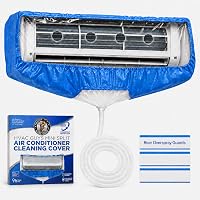
Clean reusable filters as directed and keep the outdoor area clear. Our guide to cleaning a mini split's filters and indoor unit covers routine care.
A new scrape, repeated rattle, or vibration can point to a problem that basic cleaning won't solve. Contact a qualified HVAC technician if the sound continues or if heating and cooling performance changes.
Which quiet mini split should you choose?
Choose MRCOOL if a silent-mode figure and 115V DIY setup lead your list; choose Mountman if a sleep-mode figure and multiple modes matter most. Pick Albott for built-in WiFi and a 115V supply, or Della for multiple fan speeds and professional installation.
These are different uses, not a direct noise ranking: the figures refer to different settings or conditions. Before buying, confirm the unit fits your room and electrical supply, and ask about placement if the outdoor unit will be near a bedroom or neighbor.
If you still need to weigh installation, energy use, or other trade-offs, read our mini split pros and cons guide.
Frequently asked questions
Are mini splits loud inside?
Mini splits make some indoor sound because the fan moves air. The volume can change with fan speed, operating mode, and installation, so check the model's noise details for the setting you plan to use.
If the unit will be near your bed or desk, look for a noise figure tied to sleep or silent mode and check what part of the system it describes.
Are mini split outdoor units loud?
Outdoor units have a fan and compressor, and their sound can carry toward a bedroom window, patio, or neighbor's yard. Check the manufacturer's noise information and follow installation instructions and local rules when choosing a location.
Ask the installer how the proposed position may affect nearby quiet areas.
What is a quiet mini split noise level?
There is no single noise figure that defines every quiet mini split. The examples here range from 17.5 dB(A) in silent mode to 29 dB, but modes and measurement conditions differ.
Compare figures tied to similar operating modes and the same unit location.
A quiet-mode number won't describe every setting or sound in your room.
Why is my mini split making a noise?
Airflow and normal operation can make some sound, but a new rattle, scrape, or repeated loud noise deserves attention. Check for a loose filter or obstruction only if the manual allows it.
If the noise continues, the system vibrates, or heating and cooling change, contact a qualified technician.